
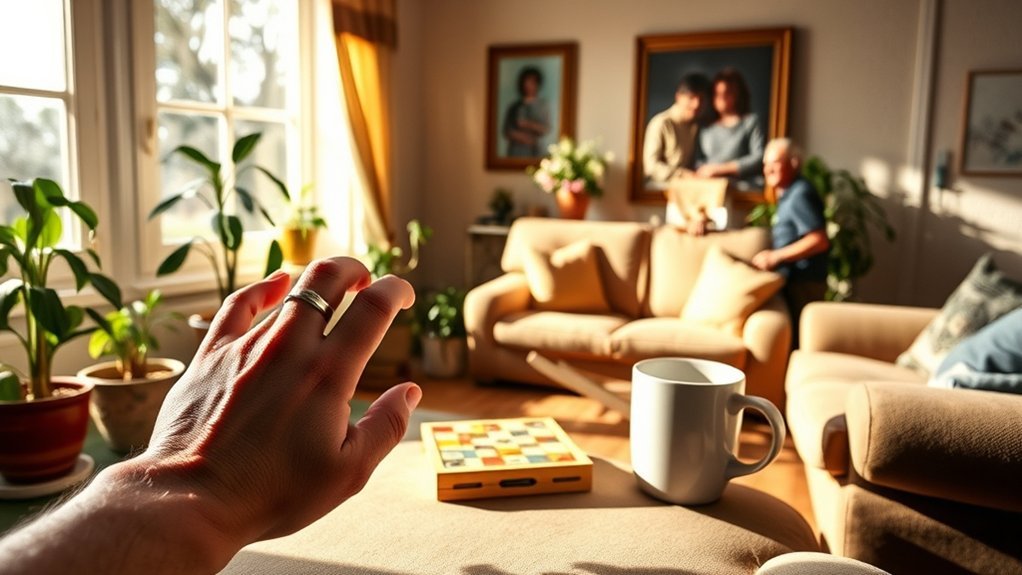
11 Blindspots Sabotaging Senior Happiness
As you get older, you may notice some hidden problems that affect your happiness. Things like being afraid of aging, feeling lonely, or not taking care of your health can sneak in without you noticing. These issues can change how you feel about yourself and your life. It’s important to spot these challenges, but how can you start fixing them?
Think about what makes you happy and what holds you back. Here are a few tips to help you deal with these problems:
- Face Your Fears: If you worry about getting older, talk about it with friends or family. Sharing your thoughts can make you feel better.
- Connect with Others: Try to spend time with friends or join a group. Connecting with people can help fight loneliness.
- Take Care of Yourself: Make your health a priority. Eating well, exercising, and seeing a doctor can make a big difference.
- Find New Hobbies: Discover activities you enjoy. This can spark joy and give you a sense of purpose.
Remember, it’s okay to ask for help. Talking to someone, like a counselor, can also provide support. By identifying these hidden problems, you can take steps to boost your happiness and enjoy your later years more fully.
Key Takeaways
- Not staying active or eating well can really hurt happiness in seniors. Taking care of physical health is very important.
- Being alone can make you feel lonely. Keeping in touch with family and friends is key to feeling connected and happy.
- After retirement, it’s easy to feel lost if you don’t have a purpose. Finding something to do that gives you meaning can help you feel better about life.
- Comparing yourself to others can lower your self-esteem. It’s important to focus on your own path and celebrate your journey.
- Poor money management or falling for scams can cause a lot of stress. Being aware and managing finances well helps improve emotional health and life quality.
The Fear of Aging
As you get older, it’s normal to feel worried about aging and how it may affect your happiness. Many myths and ideas from society make these worries worse. They often say that getting older means things will decline or you’ll feel lonely.
But accepting aging can bring new joys and strong friendships. You can choose to challenge these myths. It’s important to remember that many people thrive in their later years. This often comes from a change in how we think about growing older.
Instead of following society’s narrow views, you can create a positive story for yourself. Focus on strength, flexibility, and deep emotions. Connecting with others who’ve similar experiences helps build a sense of belonging.
In this new stage of life, you can redefine what happiness means to you. Instead of fearing aging, look for the special moments and connections that make life enjoyable. Embrace this chapter with open arms.
Social Isolation
Aging can bring new chances, but social isolation can make things hard. Many seniors feel lonely, and this can cause sadness. You might wonder how to feel better. One solution is to get involved in your community. You could join local clubs, volunteer, or attend workshops to meet new people.
Try to reach out to neighbors or old friends, even if it seems scary. Taking small steps can help you connect. You might organize regular get-togethers or use video calls to keep in touch.
Neglecting Physical Health
Neglecting your physical health can quietly harm your well-being as you age. Skipping exercise or not eating well might seem okay at first, but these choices can drain your energy and joy.
Staying active each day makes your body stronger and lifts your mood. It also helps you meet others who’ve similar fitness goals. When you feel good, it’s easier to connect with people.
Eating healthy foods gives you the energy you need and can help clear your mind. Good nutrition supports your emotions, too. By taking care of your health, you improve your chances of enjoying life, spending time with family and friends, and making great memories.
Holding Onto Past Regrets
Holding onto past regrets is like carrying a heavy backpack every day. It can make you feel tired and sad. These memories can block your mind, stopping you from enjoying happy times with friends or new experiences.
You might keep thinking about what you could have done differently. This takes away your happiness in the present.
To start feeling better, you need to let go of these regrets. It’s okay to remember your past, but it shouldn’t control your life. Learn from it, but don’t let it define who you are.
Give yourself a break—show yourself kindness, and also be kind to others.
Focus on what you can change now. This can help you feel lighter and more free. You can create happy moments and strong connections with others.
You deserve to feel like you belong and to find peace in your life.
Resistance to Change
Change can be scary. It can make us feel uncomfortable. Many people resist change because it can push them out of their safe spots.
But accepting change can open new doors and help us grow. Here are a few reasons why we might resist change:
- Fear of the Unknown: We often fear what we don’t know more than we appreciate the good that can come from change.
- Age Worries: Some think getting older means we can’t learn new things. Society sometimes makes us feel this way.
- Friendships: We may worry that change can alter our friendships or how we connect with others.
Recognizing these worries is the first step to moving forward. Change can bring good things into our lives.
If we see change as a chance to learn and grow, we might find new adventures waiting for us.
Underestimating the Value of Hobbies
Do you ever think of hobbies as just fun activities? It’s easy to forget how important they’re for a happy life. Hobbies do a lot more than just take up time. They let you be creative, feel joy, and have a purpose.
When you spend time doing what you love, you make friends, boost your mood, and keep your mind active.
Whether you like painting, gardening, or playing music, these hobbies can brighten your day. They help you feel less lonely and create a community where you can share what you love with others.
Dwelling on Personal Loss
Loss can feel heavy, like a dark cloud over your life. It’s normal to feel sad, angry, or confused. Understanding your feelings can help you deal with this tough time.
Here are some simple ways to feel stronger:
- Feel Your Emotions: Let yourself feel whatever comes up. It’s okay to be sad or mad. Don’t judge yourself for what you feel.
- Talk to Others: Reach out to friends or join a support group. Talking to someone who understands can make you feel better.
- Express What You Feel: Write in a journal, make some art, or have a good chat with a friend. These activities help you sort through your feelings.
Focusing too much on loss can keep you stuck in sadness.
Try these steps to help you move forward and find joy again. You can heal and feel like yourself once more.
Comparisons With Others
Losing someone can change how you view life.
It’s easy to start comparing your feelings or situation to what others go through. But this can hurt how you feel about yourself. When you think your worth depends on someone else’s life, it can make you feel less than you are.
Remember that everyone has their own journey and it’s okay to feel how you feel.
Focus on your own path and take care of yourself.
Stigmas Surrounding Mental Health
Many seniors still face problems when it comes to mental health. Even though people’s views are changing, some still feel afraid to ask for help. Here are some reasons why:
- Fear of Judgment: You might think others will see you as weak or not in control.
- Overgeneralization: You might believe mental health issues are only for younger people.
- Isolation: Worry about what others think can make you keep your feelings to yourself, which can feel lonely.
Understanding these challenges is the first step. You deserve to ask for help without feeling scared. You can work toward feeling happy and connected with others.
Lack of Purpose or Meaning
As you enjoy your golden years, you might feel a bit lost or unsure about what to do next. This feeling can affect your happiness. Finding purpose is important during this time. It can help you see new options you mightn’t think about otherwise.
Think about sharing your knowledge or volunteering. These activities can make you feel connected to others and give you a sense of belonging.
Finding meaning in life doesn’t come from awards or praises. It comes from knowing what truly makes you happy.
Take time to reflect on what brings you joy. Consider what activities make you smile or feel fulfilled. This is your chance to grow and rediscover what you love.
Focus on what sparks your interest, and you can create a more meaningful life. This can greatly improve your well-being and happiness.
Ignoring Financial Wellness
Retirement is a time for fun and relaxation, but it’s also important to think about your money. If you don’t keep an eye on your finances, you might feel stressed and unhappy.
Here are some simple tips to help you have a safe and happy retirement:
- Make a Budget: Write down your income and expenses. This helps you see where your money goes and what you really want to spend it on.
- Look at Investments: Think about how to grow your savings. There are different ways to invest, so find out what works best for you.
- Track Your Spending: Keep an eye on what you buy each month. This way, you can find places to save money and not spend too much.
Frequently Asked Questions
How Can Mindfulness Practices Enhance Senior Happiness?
Mindfulness practices can make you happier by helping you focus on the present moment. When you meditate, you can feel less stress and a better mood. This helps you connect with yourself and others, making you feel more part of a community. Taking time to be mindful can really brighten your day and improve your overall happiness!
What Role Does Volunteering Play in Increasing Joy for Seniors?
Volunteering makes seniors happier. It gives them a chance to do meaningful things. When seniors volunteer, they connect with others and feel like they matter. These activities help them improve their well-being and create a warm feeling of belonging in their community.
Whether it’s helping at a local shelter or sharing skills with others, every little effort counts. Seniors can find joy in helping and being part of something bigger. Volunteering not only benefits those in need, but it also brings smiles and joy to the volunteers themselves. It’s a great way to make new friends and feel good about life.
Are There Specific Diets That Improve Mental Well-Being in Seniors?
Eating healthy can help us feel better, especially as we get older. A good choice is the Mediterranean Diet. This diet includes a lot of fruits, vegetables, and whole grains. These foods can help lift your mood and keep your mind clear.
Another important part of this diet is Omega 3s, which we find in fish. Omega 3s are good for our brains and can help our emotions too. So, adding more fruits, vegetables, whole grains, and fish to your meals can be a simple way to feel better mentally.
How Can Technology Help Combat Social Isolation Among Older Adults?
Technology can help older adults feel less lonely by making it easy to connect with others. You can learn to use tools like video calls, online groups, and social media. This way, you can talk to friends and family more often. Regular connections can make you feel more included and loved. It’s like having a friendly chat, but from the comfort of your own home. Embracing technology can bring people together, even if they are far apart.
What Benefits Do Pet Ownership Offer to Senior Mental Health?
Having a pet can be very good for your mental health. Pets, like dogs and cats, give you emotional support. They help you feel less lonely and can make your days better. When you have a pet, you may find it easier to stick to a daily routine, like taking walks or feeding them. They do more than just hang out with you; they can make you feel more connected and like you belong. So, having a furry friend by your side can really help lift your spirits and improve your overall well-being.


