generational differences

  • Boomer vs. Millennial Debate: What’s Overlooked

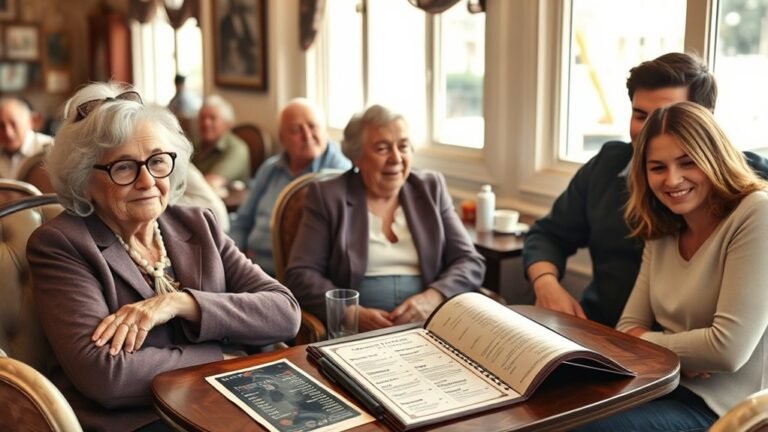
    When we talk about Boomers and Millennials, people often see big differences in how they think and work. But there’s something important we might miss: these differences can help us grow. Each generation has its own stories and ideas. When they come together, they can create new ways to solve problems and work as a team.

    What if we stopped focusing on what divides us and instead looked for ways to work together? This idea could lead to better teamwork and more fun in our workplaces. It’s worth thinking about!
  • Boomer Communication Styles That Frustrate Gen Z

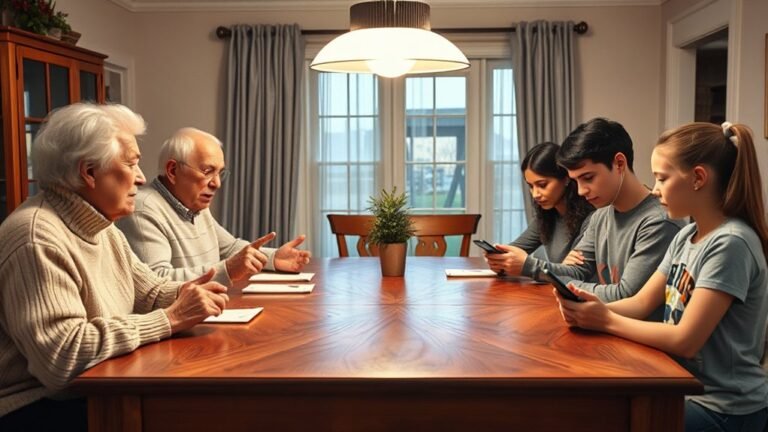
    Boomers and Gen Z often have different ways of talking to each other. Boomers like to use formal words and often prefer to meet in person. On the other hand, Gen Z likes quick and direct chats. They can get confused by hints or indirect comments and want straightforward conversations.

    As technology changes, some old habits seem out of place. This can make working together harder. To make things better, it helps to understand these different talking styles. What specific habits make it tough for these two generations to connect?

  • 11 Woke Labels That Drive Boomers Crazy

    Many people notice that new words, like “microaggressions” and “cancel culture,” can confuse older folks, especially Boomers. These terms sound strange to them. They often feel like too much. This confusion shows how different generations view identity and social issues.

    When young people use new activist language, it can clash with the beliefs of older generations. This situation can lead to interesting conversations about how society is changing and what that means for everyone. It is important to explore these differences to understand each other better.

  • Boomers Roll Eyes at Trendy Baby Names Today

    Baby Boomers often laugh at unique baby names that are popular today. Names like Moonbeam or Maverick sound very different from the classic names like Susan and Michael that Boomers grew up with. This difference makes us think about what a name means for a child. Are these special names a way to show who someone is? Or could they make things harder for a child as they grow up?

    As you think about these differences between generations, it’s important to consider what choosing a name really means in today’s world. Names can carry a lot of weight. They can shape how people see you and how you see yourself. So, when parents pick names for their kids, they should think about how those names might affect them now and in the future.

  • Taboo Things Boomers Avoided That Gen Z Embraces

    Gen Z talks about mental health and sexuality more openly than Boomers did. They break the taboos around these topics. This change encourages conversations. It’s about living truthfully and being yourself.

    Think about how these chats affect people’s lives and society. What’s important here? How does this openness change our views? It really matters.

  • Ways Boomers Think Differently Than Others

    Baby Boomers think differently from younger generations, especially when it comes to work and relationships. They value loyalty and commitment. This affects how they do their jobs and how they choose products and services.

    Boomers do use technology, but they are careful about it. They focus on clear communication and respect for authority. These differences between generations can lead to questions about how they work together and understand each other.

    What can we learn from these differences? How can we collaborate better across age groups? These are important questions as we navigate our workplace and social lives.

  • Last 10 Generations: How They Differ From Today

    Have you ever thought about how different values shape our lives today? Each group of people, from the Silent Generation to Generation Z, has faced unique events that changed how they view work, friendships, and making a difference. These differences make us think about who we are and the communities we belong to. As we look at how these generations contrast with each other, we should think about how they change what we find important in today’s culture.