
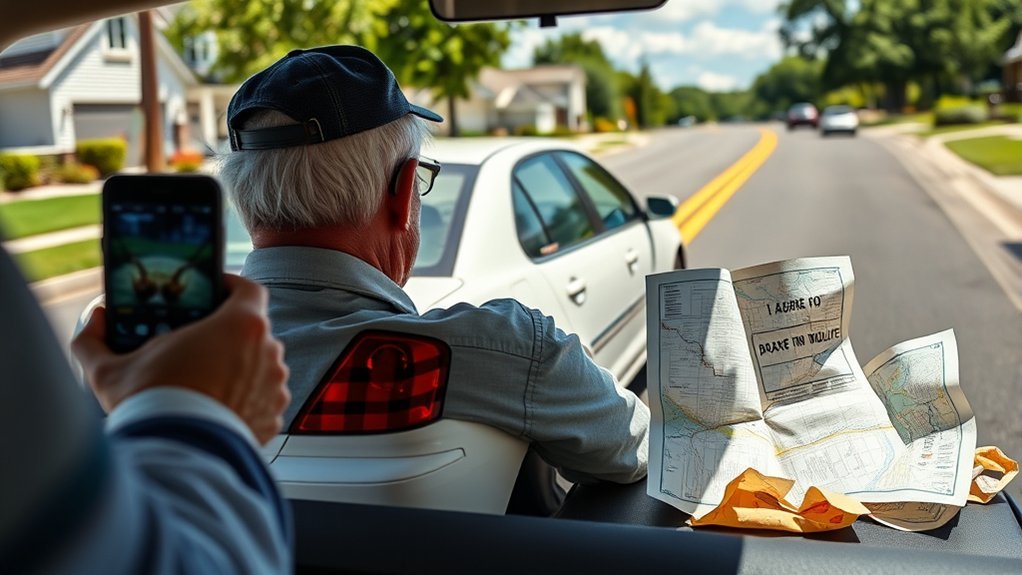
Traffic Blunders That Scream Senior Driver
You might have seen some driving habits that seem common with older drivers. They may take longer to start going at green lights or seem confused at red ones. Left turns can be a challenge too. These actions can slow down traffic and cause some frustration for others on the road.
These mistakes often come from real challenges seniors face when driving. It’s important to understand these issues. This understanding can help us be more patient and look at how driving changes as we age. You may find the results interesting!
Key Takeaways
- Slow starts can cause traffic jams. Senior drivers often go slow, making it hard for others to predict their speed.
- When merging onto highways, some seniors hesitate. This can lead to risky drivers trying to speed up at the wrong time.
- Seniors may get confused at red lights, leading to unexpected stops when the lights change.
- Left turns at intersections can be tricky for seniors. They sometimes wait too long, disrupting the flow of traffic.
- Parking can be tough. Seniors might make strange turns and have trouble with tight spots since they tend to be extra careful.
Slow and Steady: The Reluctance to Accelerate
While many might associate aging with caution, senior drivers often embody a distinct reluctance to accelerate, which can create hazards on busy roads.
You’ll notice this gentle acceleration; they tend to favor a slower pace, ensuring safety above all. This cautious driving can be beneficial in reducing risks, but it sometimes leads to frustrating traffic situations.
Other drivers may not anticipate their slower speed, resulting in a potential buildup of congestion. It’s critical to understand that this behavior stems from a lifetime of experience, with a focus on caution and safety.
However, fostering awareness of the surrounding environment can help senior drivers find a balance between being cautious and adapting to the flow of traffic, ultimately promoting safer road conditions for everyone.
Merging Mayhem: Difficulty Entering Highways
When it comes to merging onto highways, many senior drivers struggle with timing and speed, leading to potentially dangerous situations.
You might find yourself hesitating at the entrance, fearing the highway horror of merging mistakes. This reluctance often results in inadequately timed accelerations or entering too slowly, which disrupts the flow of faster vehicles.
It’s essential to gauge the speed of oncoming traffic and adjust your acceleration accordingly. Practicing techniques in less busy areas can enhance your confidence.
Remember, a smooth merge isn’t just about merging into the lane; it’s about doing so safely and efficiently, creating a stress-free experience for yourself and others.
Your ability to merge effectively can lead to greater road safety for everyone involved.
Confusion at Red Lights: Unexpected Stops
Many senior drivers find themselves confused at red lights, leading to unexpected stops that can create hazards for themselves and others. This red light confusion often stems from several factors, making it essential to stay aware:
- Changing traffic patterns: New signs or signals can be disorienting.
- Delayed reaction time: A slower response can result in abrupt stops.
- Distraction: Conversations or mobile devices can divert attention.
- Fatigue: Tiredness may impair decision-making abilities at intersections.
- Visual impairment: Difficulty seeing lights can cause misjudgment.
Understanding these challenges can foster empathy and support among drivers.
The “Elderly Left Turn”: Hesitation at Intersections
Red light confusion isn’t the only challenge senior drivers face; hesitation at intersections, particularly during left turns, ranks high among the difficulties.
When you approach an intersection, it’s vital to engage in intersection scanning, checking for oncoming traffic, pedestrians, and any changing signals. This hesitation can disrupt traffic flow, leading to frustration among other drivers.
Many seniors may second-guess their timing or reaction, which can create prolonged delays during what should be a straightforward turn. Recognizing your instincts is essential; sometimes, confidence can help alleviate that hesitation.
Continuous practice of intersection scanning and understanding traffic dynamics can improve your decision-making process, ensuring a smoother drive for everyone on the road.
Embrace the journey—every effort counts.
Parking Predicaments: Unusual Maneuvering
Although parking might seem straightforward, senior drivers often face unique challenges that can lead to unusual maneuvering. These difficulties can manifest in various ways, particularly when steering through a parking lot or attempting parallel parking. Understanding these challenges can foster a sense of community among drivers.
Here are some common parking predicaments seniors might encounter:
- Difficulty judging distances when parking
- Hesitation in executing tight parallel parking
- Confusion over angles during angled parking spots
- Uncertainty about parking lot layouts
- Over-cautious behavior, like driving in circles looking for the perfect spot
Recognizing these issues is essential, as it highlights the need for patience and understanding from all drivers.
After all, everyone deserves a safe, accessible parking experience.
Signal Sabotage: Inconsistent Use of Indicators
When traversing the roads, you may notice that some senior drivers exhibit inconsistent use of turn signals, which can jeopardize safety and create confusion.
These inconsistent signaling habits often lead to unpredictable driving behaviors, causing anxiety for those around them. One minute, the indicator’s on, and the next, it’s off—this erratic pattern makes it difficult to anticipate their next move.
Understanding these indicator usage patterns helps highlight the importance of reliable signaling. Using turn signals consistently not only communicates intentions but also fosters trust among drivers.
The “Grandpa Grab”: Over-reliance on the Steering Wheel
Many senior drivers exhibit a tendency known as the “Grandpa Grab,” where they overly rely on the steering wheel for guidance and stability.
This reliance can lead to significant control issues, impacting their ability to navigate effectively. Recognizing steering tension is key to improving driving safety.
Here are a few signs that you might be leaning too much on the wheel:
- Excessive grip on the steering wheel
- Inability to make smooth turns
- Over-correction during lane changes
- Frequent slow speeds in traffic
- Hesitance when approaching intersections
Understanding these patterns can help you regain better control, allowing for a more confident driving experience.
Consider practicing gentle, relaxed steering to enhance your overall driving capabilities.
Backing Up Blunders: Trouble Reversing Safely
Reversing a vehicle is a task that often presents unique challenges for senior drivers, making it one of the most common areas for traffic blunders. Many struggle with reverse safety due to diminished spatial awareness, which can lead to accidents or near misses.
When reversing, it’s essential to thoroughly check mirrors and look over your shoulder to gauge your surroundings. It’s easy to misjudge distances or be unaware of obstacles that may not be in your direct line of sight.
Implementing simple techniques, like using backup cameras when available or taking slow, controlled movements, can help improve your confidence and safety while reversing. By actively honing these skills, you can considerably reduce the risk of accidents and feel more secure behind the wheel.
Unfamiliarity With New Technology: Struggles With Modern Cars
As technology rapidly evolves, senior drivers often find themselves struggling to adapt to modern vehicles equipped with advanced features. With the introduction of adaptive technology, many find it overwhelming.
Familiarizing yourself with these innovations is key to maintaining your confidence on the road. Here are some common challenges:
- Understanding touchscreens and navigation systems
- Mastering adaptive cruise control and safety alerts
- Configuring advanced driver assistance systems (ADAS)
- Accurately following user manuals for new features
- Managing smartphone connectivity for hands-free operation
Embracing training sessions or community workshops can help bridge the gap.
Frequently Asked Questions
At What Age Should Seniors Consider Driving Restrictions?
As seniors reach around age 70, it’s a good time to think about driving restrictions. This age often brings some challenges with driving. It’s important to check how fast your reactions are and how healthy you feel. These things matter for safe driving.
If you notice that you are slowing down or having trouble seeing, it might be wise to limit your driving. You can also talk to family or friends about how you feel when you drive. They can help you make safe choices.
Always remember, keeping safe on the road is the most important thing.
How Can Family Help Seniors With Driving Challenges?
Seniors sometimes face challenges when it comes to driving. Family members can help in many ways. One way is by offering to drive with them. This can make them feel safer and more confident.
Another option is to talk about different ways to get around. This might include public transport, rides from friends, or ride-sharing services. Having family support helps seniors feel secure and ready to handle any driving issues they may face. It shows them they are not alone, and that support can make driving easier and less stressful.
Are There Driving Tests Specifically for Older Adults?
Yes, there are special driving tests for older adults. These tests help check how well seniors can drive. They make sure older drivers are safe and feel good when driving. The tests focus on the challenges older adults might face while driving. This way, we can support them in staying on the road safely.
What Are Common Signs That Indicate a Driver Should Stop Driving?
If you see someone not paying attention while driving, getting confused in traffic, or having trouble focusing, these may be signs that they should stop driving. Recognizing these signs can help keep everyone safe on the road. It’s important to discuss these concerns kindly and help those you love find safer ways to travel.
How Does Eyesight Affect Driving for Senior Citizens?
Your eyesight is really important for driving, especially as you get older. It helps you see the road, other cars, and signs clearly. Regular visits to the eye doctor can make sure your vision is good for driving. If your vision is poor, you might make mistakes that could be dangerous. So, take care of your eyes and get your check-ups. This can help keep you safe on the road.


